
Our Blog.
Freshdesk vs Help Scout (2026): Which Customer Support Platform Is Better for Growing Teams?
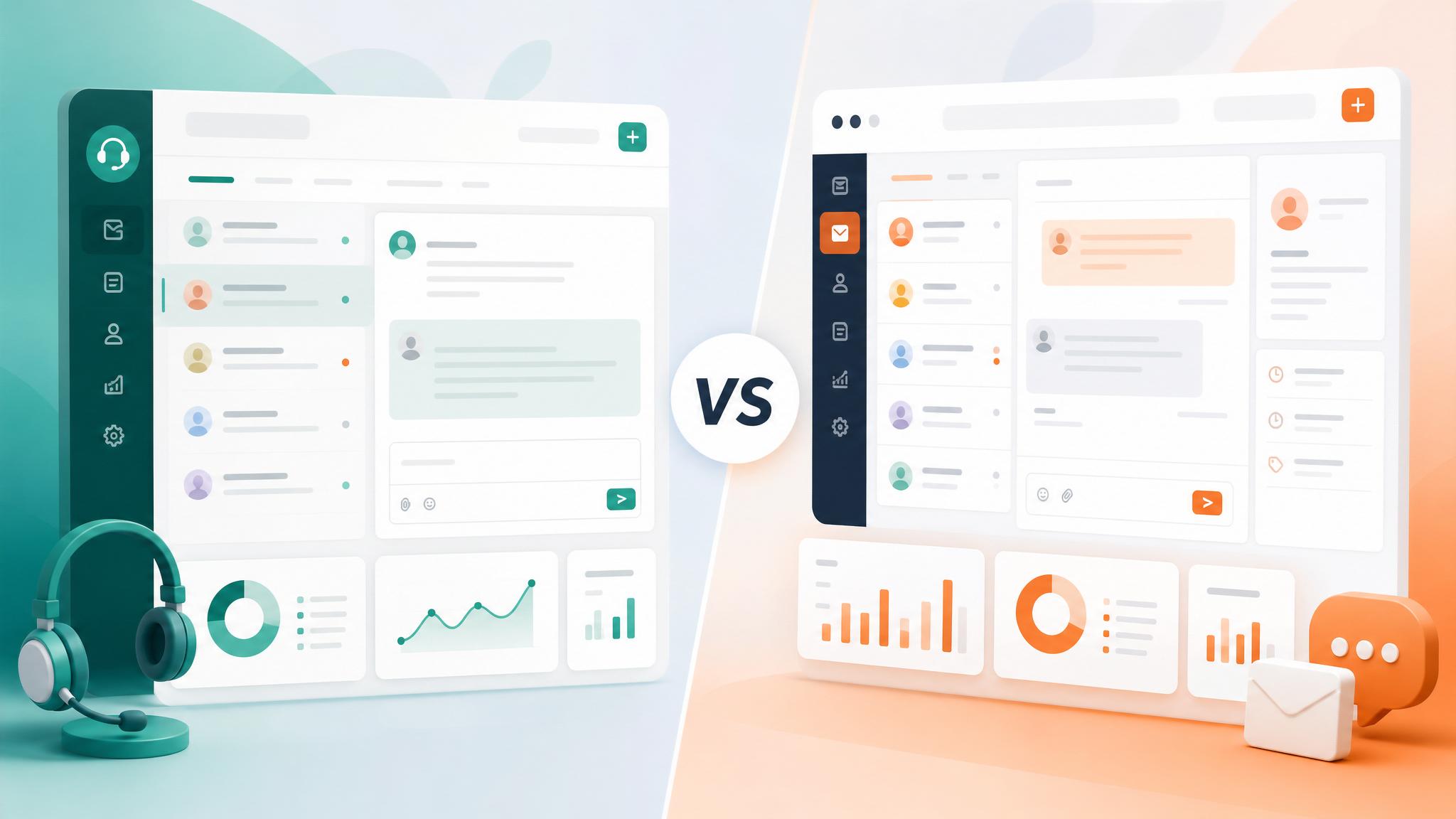
If you’re comparing Freshdesk vs Help Scout in 2026, you’re usually deciding whether you want a more traditional multi-tier help desk with broader ticketing controls or a simpler support platform built to keep customer conversations clean, human, and easy to manage.
Freshdesk is usually the better fit for teams that want stronger help desk structure, more formal ticket routing, and a broader feature ladder as support operations become more complex. Help Scout is usually the better fit for teams that want a lighter shared inbox experience, faster adoption, and a support workflow that feels less like enterprise ticketing and more like customer communication.
Here is the practical buyer’s comparison.
Quick Comparison Summary
| Feature | Freshdesk | Help Scout |
|---|---|---|
| Best For | Support teams needing more classic help desk depth and process controls | Service teams wanting a cleaner shared inbox and lower operational friction |
| Core Strength | Ticketing structure, scaling options, and formalized service operations | Usability, customer-friendly workflows, and quick adoption |
| Pricing Shape | Per-agent tiers with clear Growth, Pro, and Enterprise ladders | Free and seat-based plans plus optional AI Answers usage pricing |
| Implementation Feel | Better for teams comfortable with a more conventional support stack | Better for teams that want support software to stay out of the way |
| Best Buying Trigger | You need more routing, SLA, and operational support depth | You want a cleaner experience without taking on heavyweight ticketing overhead |
Pricing Comparison
Pricing structure reflects how each product thinks about support maturity.
| Tool | Current Pricing Snapshot |
|---|---|
| Freshdesk | Freshdesk Freshdesk currently offers a free entry path for very small teams, then paid tiers around $19/agent/month for Growth, $55/agent/month for Pro, and $89/agent/month for Enterprise on annual billing. That ladder fits teams expecting support operations to become more structured over time. |
| Help Scout | Help Scout Help Scout uses a free plan plus higher seat-based tiers and positions add-on AI usage separately, including AI Answers at about $0.75 per resolution. The commercial story is less about deep ticketing tiers and more about keeping support efficient without bloating the stack. |
In practice, Freshdesk often looks better when buyers are mapping a support org. Help Scout often looks better when buyers are protecting team simplicity and customer tone.
Freshdesk Overview
Freshdesk stays strong because it gives support leaders a familiar help desk shape: tickets, routing, portals, reporting, SLAs, and a plan ladder that grows with the team. It is often easier to justify when support is becoming a real operational function with managers, queues, and escalation rules.
That matters for SaaS companies, marketplaces, and service teams that need more structure than a basic shared inbox can comfortably provide. Freshdesk also tends to make more sense when multiple departments or workflows need to touch support operations.
The tradeoff is weight. Smaller teams can find it more system-like than they actually need.
Help Scout Overview
Help Scout remains appealing because it keeps support software feeling human. The inbox is designed to help teams answer customers well without forcing every interaction into a heavy enterprise-ticketing mindset.
That is why many startups, product-led SaaS teams, and customer-centric brands like it. The tool is easier to roll out, easier to keep clean, and often better for teams that want support conversations to feel personal rather than procedural.
The tradeoff is that Help Scout is usually not the best answer when the organization needs more formalized ticket administration, deeper queue logic, or a more traditional help desk operating model.
Head-to-Head: Key Differences
Operational Structure
Freshdesk usually wins here. It is the stronger fit for teams that need more formal support processes, routing, and service controls.
Ease of Adoption
Help Scout often wins here. Smaller teams tend to get comfortable with it faster.
Customer Conversation Feel
Help Scout usually feels more natural when support is meant to sound personal and low-friction.
Scaling Help Desk Complexity
Freshdesk is often better when you expect more agents, more queues, more workflows, and more operational reporting demands.
Best Buyer Profile
If the buyer is a support lead building a more formal function, Freshdesk is often easier to defend. If the buyer is a founder, head of customer success, or small support team that values clarity and tone, Help Scout often has the stronger value story.
Who Should Choose Freshdesk?
Choose Freshdesk if: you need stronger ticketing structure, expect support operations to become more complex, or want a clearer ladder into advanced routing and service management.
Who Should Choose Help Scout?
Choose Help Scout if: you want a cleaner shared inbox, easier adoption, and a customer support experience that feels more conversational and less system-heavy.
The Verdict
For most lean teams in 2026, Help Scout is the better choice when ease of use, support tone, and low operational friction matter most. Freshdesk is the better fit when the business needs more traditional help desk depth, more routing structure, and a clearer path to scaled support operations. Help Scout wins on simplicity. Freshdesk wins on support-ops depth.
Ready to Choose?
Try Freshdesk → | Try Help Scout →
DrComps may earn a commission through affiliate links at no extra cost to you.
Try Freshdesk → | Try Help Scout →
DrComps may earn a commission through affiliate links at no extra cost to you.
Comments (0)